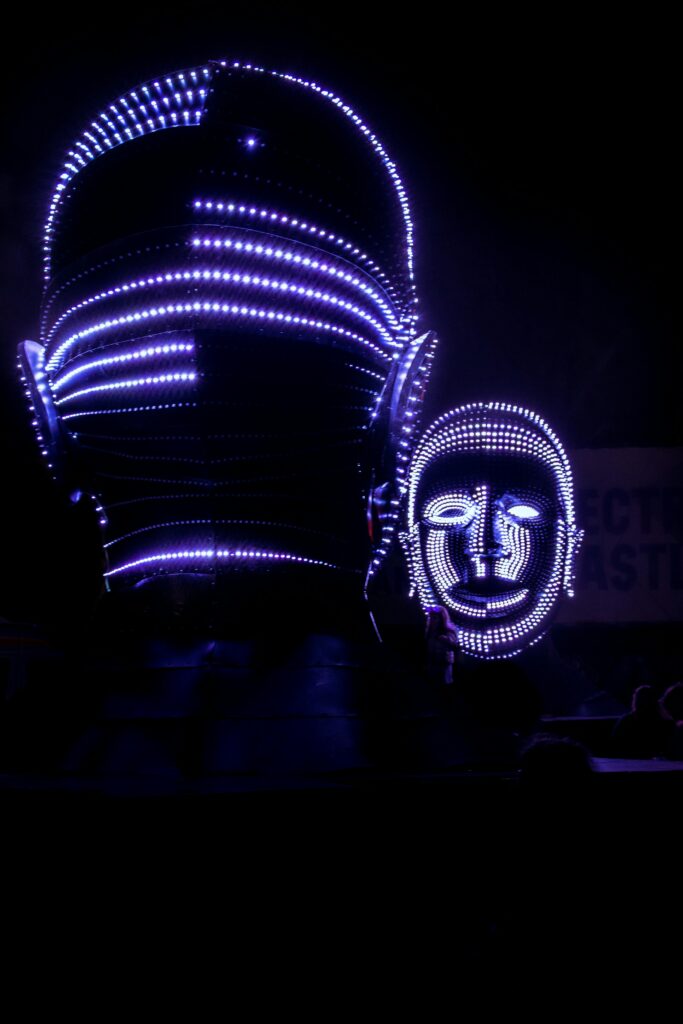
When the glow of technology grows brighter than the presence of real people, we should probably start asking harder questions.
I listened to a podcast recently about AI in therapy, and it left me uneasy in a way I’m still unpacking.
AI could absolutely make support more accessible and less intimidating. That’s a win. There are people who won’t reach out to a therapist but will type into a screen at 2 a.m. If that gets someone through the night, I’m all for it.
But here’s my concern:
Social media also promised connection, and we ended up more isolated than ever. Convenience quietly replaced depth. Performance replaced presence.
So I keep wondering:
If AI becomes “good enough,” do we risk losing something essential? The human nervous system doesn’t heal from simulated empathy. It heals from real people, real attunement, real repair.
Technology can support that work. It can complement it. It can never be it.
As therapists, we sit in the unglamorous, un-automatable parts of humanity: the pauses, the tears, the small brave truths. That’s the part that changes lives.
I’m curious how others see it.
Where’s the line between helpful innovation and losing the human connection people desperately need